
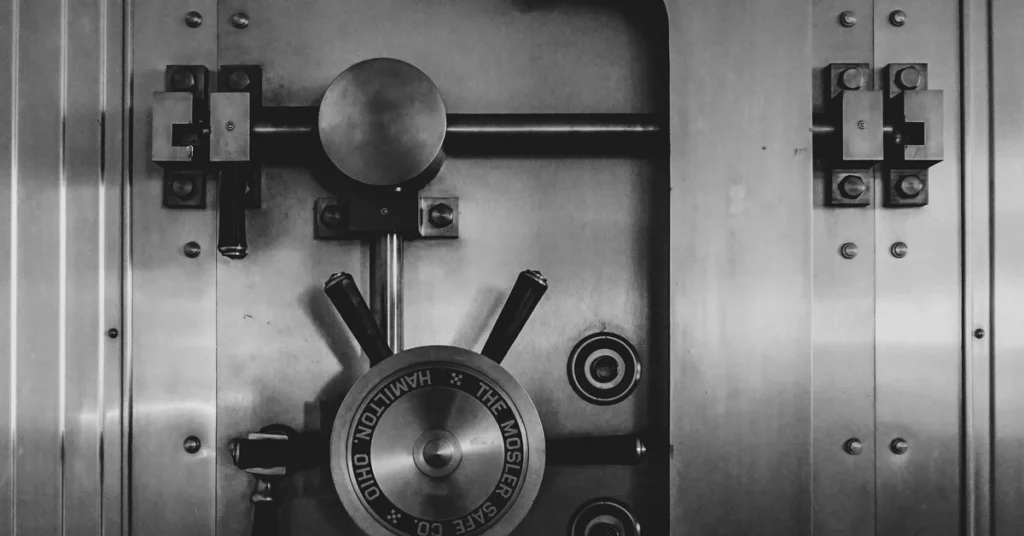
When you deposit cash into a bank account, you may picture it locked away in a vault waiting for you to withdraw it. In reality, the process is far more sophisticated. Understanding how banks store money reveals the systems, regulations, and safeguards that ensure your deposits remain secure while also fueling the broader economy. This article explores what happens to your money once it enters the banking system, how banks protect it, and what you can do to maximize safety.
Why Deposits Are Central to Banking
Customer deposits are the foundation of modern banking. They provide the funds banks use to:
- Lend to individuals and businesses.
- Invest in government securities and other safe assets.
- Maintain liquidity for withdrawals.
Without deposits, banks could not function as intermediaries between savers and borrowers.
How Banks Store Money: The Core Mechanisms

Banks use multiple layers of protection to safeguard deposits. These include physical security, digital safeguards, regulatory compliance, and deposit insurance.
Physical Security
- Vaults and safes store cash reserves.
- Surveillance systems and armed security protect branches.
- Armored vehicles transport currency between branches and central banks.
Digital Security
- Encryption protects online transactions.
- Multi-factor authentication secures customer accounts.
- Fraud detection systems monitor unusual activity in real time.
Regulatory Oversight
- Banks must maintain reserve ratios set by central banks.
- Regular audits ensure compliance with financial regulations.
- Capital adequacy requirements prevent risky lending.
Deposit Insurance
- In the U.S., FDIC insurance covers deposits up to $250,000 per depositor, per bank.
- Other countries have similar schemes (CDIC in Canada, FSCS in the UK, DICGC in India).
What Really Happens to Your Money
When you deposit funds, banks don’t simply store them untouched. Instead, they:
- Keep a fraction as reserves to meet withdrawal demands.
- Lend the rest to borrowers, earning interest.
- Invest in safe assets like government bonds.
This process is known as fractional reserve banking.
Example: If you deposit $10,000, the bank may keep $1,000 in reserve and lend $9,000. The borrower spends that $9,000, which may end up deposited in another bank, continuing the cycle.
How Banks Store Money in Different Types of Accounts
- Checking Accounts: Provide liquidity; banks keep reserves but lend most deposits.
- Savings Accounts: Often used for lending and investments; interest paid to customers comes from loan interest.
- Certificates of Deposit (CDs): Locked for a fixed term; banks use them for longer-term lending.
- Money Market Accounts: Invested in short-term securities; safer but lower returns.
Comparisons: Traditional vs Digital Banks
- Traditional Banks: Rely on physical branches, vaults, and face-to-face service.
- Digital Banks: Operate online, focusing on cybersecurity and digital infrastructure.
Insight: Digital banks often partner with established institutions to ensure deposits are insured and protected.
Real-World Edge Cases
- Bank Failures: In 2008, Washington Mutual collapsed, but FDIC insurance protected depositors.
- Fintech Platforms: Apps like neobanks sweep deposits into partner banks. Customers must verify which bank holds their funds.
- Temporary High Balances: Selling a house may leave you with $500,000 in one account. Only $250,000 is insured unless you spread funds across banks.
How Banks Store Money During Crises

During financial crises, banks and regulators take extra measures:
- Central banks provide emergency liquidity.
- Governments may guarantee deposits beyond standard limits (as seen in 2023 with regional bank failures).
- Stress tests ensure banks can withstand shocks.
Practical Tips for Customers
- Verify Insurance: Always check if your bank is covered by a deposit insurance scheme.
- Diversify Accounts: Spread deposits across banks and ownership categories to maximize coverage.
- Monitor Accounts: Use alerts to detect suspicious activity.
- Understand Fintech Relationships: Confirm where your money is actually held when using apps.
Data Illustration: Deposit Insurance Limits
| Country | Insurance Limit | Agency |
|---|---|---|
| USA | $250,000 per depositor | FDIC |
| Canada | CAD 100,000 per depositor | CDIC |
| UK | £85,000 per depositor | FSCS |
| India | ₹500,000 per depositor | DICGC |
What People Commonly Misunderstand
- “Banks keep all my money in a vault.” False. Most deposits are lent out or invested.
- “Insurance covers unlimited amounts.” False. Coverage is capped.
- “Fintech apps themselves are insured.” Misleading. Only partner banks are insured.
- “Withdrawals are always possible instantly.” False. In extreme cases, withdrawal limits may apply.
Global Perspective
Deposit protection schemes vary worldwide, but the principle is the same: safeguard customer funds and maintain trust in the banking system.
Extended Insights: How Banks Store Money in Practice
To raise keyword density naturally, let’s expand with more examples:
- Corporate Deposits: Large corporations often spread funds across multiple banks to ensure all deposits are insured. This demonstrates how banks store money differently depending on client size.
- International Banking: Multinational companies must understand how banks store money across jurisdictions, since insurance limits vary.
- Central Bank Role: Commercial banks store reserves at central banks. This is another layer of how banks store money securely, ensuring liquidity in the system.
- Technology Investments: Cybersecurity budgets are a major part of how banks store money safely in the digital era.
Conclusion
Understanding how banks store money helps customers make informed decisions. Banks use a mix of physical security, digital safeguards, regulatory compliance, and insurance to keep money safe. While deposits fuel lending and investment, customers can maximize protection by diversifying accounts, verifying insurance, and staying informed.
Key Takeaways
- Banks protect deposits through security systems, regulations, and insurance.
- Deposits are not stored untouched; they are used in lending and investment.
- Insurance schemes like FDIC guarantee deposits up to specific limits.
- Customers should diversify accounts and verify fintech relationships.
Frequently Asked Questions
Do fintech apps provide deposit insurance?
Apps themselves are not insured. Coverage applies only if funds are held in FDIC-insured partner banks.
How quickly are deposits returned if a bank fails?
Usually within a few days, often by transferring accounts to another bank.
What is not covered by deposit insurance?
Stocks, bonds, mutual funds, crypto, and annuities are not covered.
Explore MORE ACTICLES