
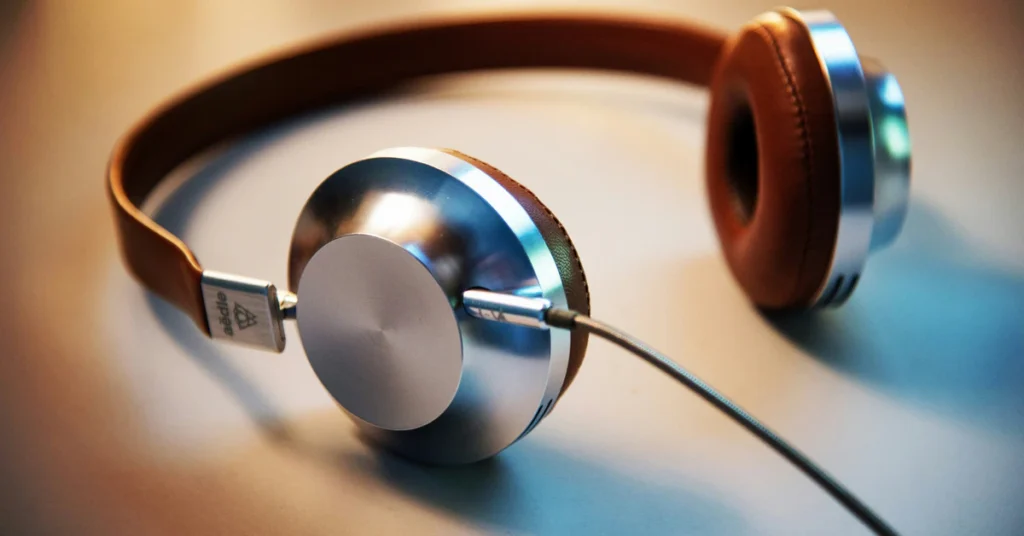
Noise-cancelling headphones have become essential for travelers, workers, and music lovers. Understanding how noise cancelling headphones work helps you appreciate the clever engineering and physics behind them. These devices don’t just play music—they actively create silence in noisy environments.
What Are Noise-Cancelling Headphones?
Noise-cancelling headphones are audio devices designed to reduce unwanted ambient sounds. Unlike regular headphones that simply play audio louder to drown out noise, noise-cancelling headphones actively or passively block external sounds to create a quieter listening environment.
They are especially popular among:
- Travelers who want peace on airplanes.
- Office workers who need focus in noisy environments.
- Students studying in libraries or cafes.
- Music lovers who want pure sound without interference.
Passive vs Active Noise Cancellation
Noise cancellation comes in two main forms: passive and active.
Passive Noise Cancellation
This is the simplest form. It relies on physical design to block sound.
- Thick ear pads or in-ear tips create a seal around your ears.
- Materials like foam and leather absorb external noise.
- Works best for high-frequency sounds (like chatter or typing).
Think of passive noise cancellation as putting your hands over your ears—it reduces noise but doesn’t eliminate it.
Active Noise Cancellation (ANC)
This is where the magic happens. ANC uses electronics to cancel sound waves.
- Microphones pick up external noise.
- A processor analyzes the sound.
- The headphones generate an “anti-noise” signal that cancels the unwanted sound.
ANC is most effective against low-frequency, consistent noises like airplane engines, air conditioners, or traffic hum.
The Science Behind Active Noise Cancellation
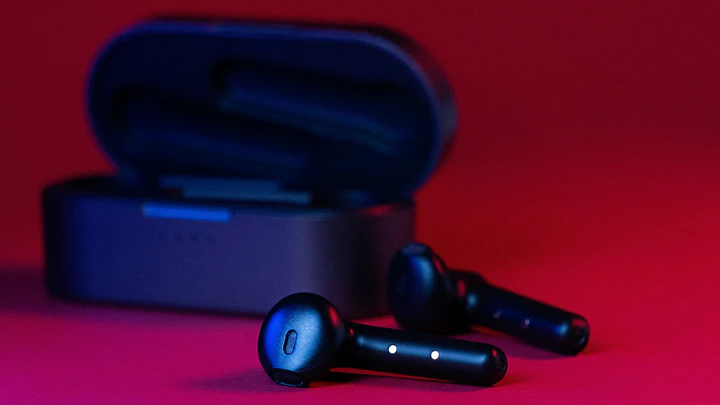
To understand ANC, we need to revisit some basic physics.
Sound Waves
Sound is a vibration that travels through air as waves. These waves have peaks (compressions) and troughs (rarefactions).
Phase Inversion
ANC works by creating a sound wave that is the exact opposite (inverse) of the unwanted noise.
- If the external noise has a peak, the headphones generate a trough.
- When combined, the two waves cancel each other out.
This process is called destructive interference.
Real-Time Processing
The headphones must analyze and generate anti-noise almost instantly. This requires:
- Microphones to capture external sound.
- Digital Signal Processors (DSPs) to calculate the inverse wave.
- Speakers to play the anti-noise along with your music.
Components of Noise-Cancelling Headphones
Noise-cancelling headphones are more than just speakers. They include:
- External Microphones: Capture ambient noise.
- Internal Microphones: Monitor sound inside the ear cup.
- DSP Chips: Process signals and generate anti-noise.
- Ear Cushions: Provide passive isolation.
- Battery: Powers the ANC system.
Example: How Noise-Cancelling Headphones Work During Airplane Travel
Imagine you’re on a plane. The engine produces a constant low-frequency hum.
- The headphones’ microphones pick up this hum.
- The DSP generates an inverse wave.
- The anti-noise cancels the hum, leaving you with silence or just your music.
This is why ANC headphones are a favorite among frequent flyers.
Noise-Cancelling vs Noise-Isolating
It’s important to distinguish between noise-cancelling and noise-isolating headphones.
- Noise-Isolating: Block sound physically (like earplugs).
- Noise-Cancelling: Use electronics to cancel sound waves.
Many headphones combine both for maximum effect.
Benefits of Noise-Cancelling Headphones
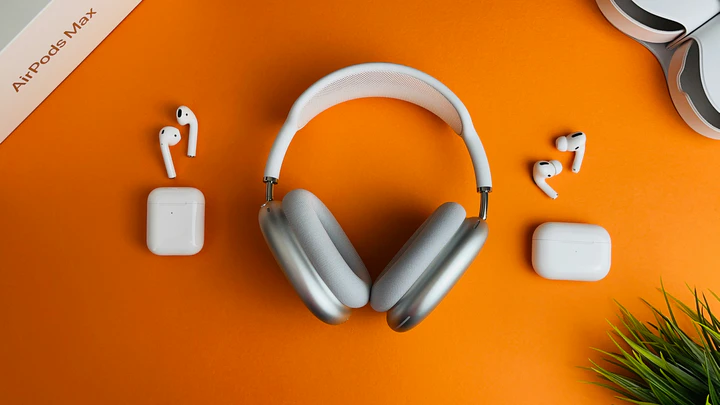
Noise-cancelling headphones offer more than just quiet.
- Improved Focus: Block distractions in offices or study spaces.
- Better Sleep: Useful for travelers trying to rest on planes.
- Health Benefits: Reduce stress caused by constant noise exposure.
- Enhanced Audio Quality: Music sounds clearer without background interference.
- Lower Volume Listening: You don’t need to blast music to overcome noise, protecting your hearing.
Limitations of Noise-Cancelling Headphones
Despite their advantages, ANC headphones aren’t perfect.
- Battery Dependency: ANC requires power, so headphones need charging.
- Cost: High-quality ANC headphones are expensive.
- Effectiveness: Works best on consistent low-frequency noise, less effective on sudden sounds like clapping or shouting.
- Pressure Sensation: Some users feel a “pressure” in their ears due to ANC.
- Audio Alteration: ANC can slightly change how music sounds.
Unique Angle: The Psychology of Silence
Noise-cancelling headphones don’t just change sound—they change how we feel.
- Silence reduces cortisol (stress hormone) levels.
- Quiet environments improve concentration and creativity.
- For introverts, ANC headphones create a personal sanctuary in public spaces.
Evolution of Noise-Cancelling Technology
Noise cancellation has evolved over decades.
- 1950s: Early experiments in aviation headsets.
- 1980s: Bose introduced commercial ANC headphones for pilots.
- 2000s: Consumer ANC headphones became popular.
- 2020s: Integration with smart assistants, adaptive ANC, and transparency modes.
Adaptive Noise Cancellation
Modern headphones use adaptive ANC, which adjusts based on your environment.
- On a plane: Strong ANC for engine noise.
- On a street: Balanced ANC to block traffic but allow awareness.
- In an office: Moderate ANC to reduce chatter but keep you alert.
Transparency Mode
Some headphones include transparency mode, which lets external sounds in when needed.
- Useful for hearing announcements at airports.
- Keeps you safe when walking near traffic.
- Allows conversations without removing headphones.
Noise-Cancelling Microphones
The same principles apply to microphones in headsets.
- ANC microphones reduce background noise during calls.
- Essential for remote work and gaming.
- Ensures your voice is clear even in noisy environments.
How to Use Noise-Cancelling Headphones Effectively
Tips for getting the most out of ANC headphones:
- Ensure a proper fit for passive isolation.
- Keep them charged for consistent ANC.
- Use transparency mode when safety is important.
- Combine with low-volume listening to protect hearing.
Noise-Cancelling in Everyday Life
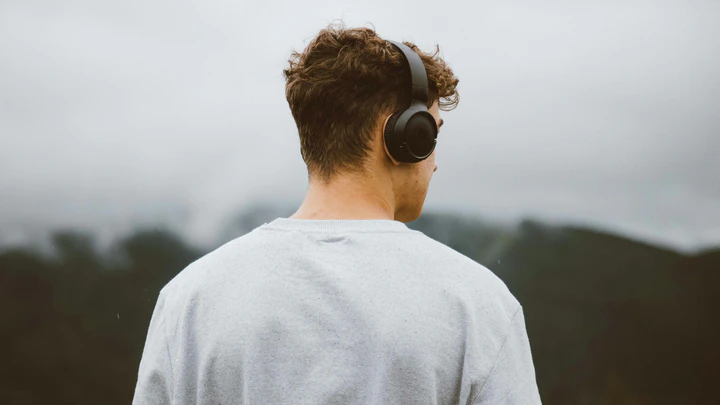
Noise-cancelling headphones are used in diverse scenarios:
- Commuting: Block subway or bus noise.
- Studying: Create a quiet zone in cafes.
- Working: Improve productivity in open offices.
- Gaming: Immerse yourself without distractions.
- Meditation: Use ANC to create a peaceful environment.
Future of Noise-Cancelling Technology
The future promises even smarter noise cancellation.
- AI-Powered ANC: Learning your preferences and environments.
- Bone-Conduction Integration: Combining ANC with new audio delivery methods.
- Smaller Devices: ANC in earbuds and even glasses.
- Health Monitoring: ANC headphones doubling as wellness devices.
Extended Case Study: Office Productivity
Imagine working in an open office with constant chatter.
- Without ANC: You struggle to focus, productivity drops.
- With ANC: Distractions fade, concentration improves, stress decreases.
Companies are increasingly encouraging employees to use ANC headphones for better focus.
Read another case study by clicking here.
Key Takeaways
- Noise-cancelling headphones reduce unwanted sounds using passive and active methods.
- Active Noise Cancellation works through destructive interference of sound waves.
- Benefits include improved focus, better audio quality, and reduced stress.
- Limitations include cost, battery dependency, and reduced effectiveness on sudden noises.
- Modern ANC includes adaptive features and transparency modes.
- The future will bring AI-powered, health-integrated noise cancellation.
Final Thoughts
Noise-cancelling headphones are more than gadgets—they’re tools for peace and productivity. By understanding how noise cancelling headphones work, you can appreciate the technology that creates quiet in a noisy world.
Frequently Asked Questions
What is the difference between active and passive noise cancellation?
Passive noise cancellation relies on the physical design of the headphones—ear cups or ear tips that block sound naturally. Active noise cancellation uses microphones and electronic processing to generate sound waves that cancel out background noise. Most modern noise-cancelling headphones use both methods together.
Do noise cancelling headphones work without music playing?
Yes. Active noise cancelling works even when no music is playing. The headphones continuously analyze ambient sound and reduce background noise as long as the noise-cancelling feature is turned on and the headphones have power.
Do noise cancelling headphones block all noise?
No, noise cancelling headphones do not block all sounds. They are most effective at reducing constant, low-frequency noise such as airplane engines, traffic hum, or air conditioners. Sudden or high-frequency sounds like voices or alarms may still be heard.
Explore MORE ARTICLES