
Introduction
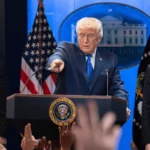
The European Union has suspended the formal approval process of a trade agreement negotiated with the United States following renewed tariff threats linked to Greenland. The decision signals rising diplomatic and economic tension between Washington and European capitals, raising concerns about trade stability, investor confidence, and long-term policy coordination across transatlantic markets.
The suspended agreement had aimed to stabilize tariff levels, reduce uncertainty for exporters, and strengthen supply chain predictability for businesses operating across Europe and North America. However, recent political developments have disrupted that trajectory.
Why the Trade Deal Was Important

The agreement, finalized during negotiations last summer, proposed capping U.S. tariffs on most European imports at approximately 15 percent. This level was considered favorable compared with historical trade rates and provided businesses with improved visibility over operating costs, pricing strategies, and investment planning.
Certain product categories, including select pharmaceutical and industrial inputs, were expected to receive full tariff exemptions. In return, the European Union planned to reduce tariffs on specific U.S. agricultural and manufactured goods, improving access for American exporters into the European market.
For multinational companies and logistics providers, the deal offered the prospect of smoother cross-border trade and reduced regulatory friction.
Political Tensions Trigger the Suspension
European lawmakers paused the ratification process after the U.S. administration signaled the possibility of imposing additional tariffs on several European countries if political demands related to Greenland were not met. European officials described the rhetoric as confrontational and incompatible with cooperative trade relations.
Members of the European Parliament emphasized that economic agreements cannot function in an environment of political coercion. Officials indicated that negotiations would remain suspended until diplomatic engagement returns to a constructive footing.
This pause does not terminate the agreement permanently, but it introduces uncertainty regarding future implementation timelines.
Sovereignty and Strategic Sensitivities
Greenland occupies a strategic position in the Arctic region, with growing importance for shipping routes, natural resources, and defense infrastructure. European leaders have underscored the importance of respecting sovereignty and territorial integrity when engaging in geopolitical negotiations.
Any perception of external pressure over territorial matters introduces heightened sensitivity across European political institutions. This dynamic has directly influenced the willingness of policymakers to continue economic cooperation under current circumstances.
Market and Business Implications
The suspension may influence multiple sectors:
Trade and Manufacturing
Manufacturers reliant on cross-Atlantic supply chains face potential cost volatility if tariff frameworks remain unresolved.
Currency and Financial Markets
Currency markets often react to trade uncertainty through short-term volatility, particularly for export-driven economies.
Investment Planning
Businesses may delay expansion or capital allocation decisions until policy clarity improves.
Logistics and Shipping
Shipping operators and freight companies monitor tariff frameworks closely as they influence routing, pricing, and contract negotiations.
While immediate economic disruption remains limited, prolonged uncertainty could affect medium-term business confidence.
Historical Context of U.S.–EU Trade Relations
Trade relations between the United States and the European Union have historically oscillated between cooperation and dispute. Previous disagreements have involved aerospace subsidies, digital taxation, steel and aluminum tariffs, and regulatory standards.
Periods of stability have typically coincided with clear tariff frameworks and predictable policy alignment. Conversely, political uncertainty has often translated into reduced trade flows and higher compliance costs for multinational enterprises.
The current situation fits within this broader historical pattern.
What Happens Next
European institutions have indicated that discussions may resume if diplomatic conditions stabilize and tariff threats are withdrawn. Until then, the agreement remains frozen at the legislative stage.
Market participants will monitor upcoming diplomatic engagements, policy statements, and potential retaliatory measures. Any shift toward dialogue could reopen the approval pathway.
Conclusion
The suspension of the U.S.–EU trade agreement underscores how geopolitical dynamics increasingly shape economic outcomes. While the original deal promised improved trade stability and reduced tariff exposure, political tensions have temporarily derailed its progress.
For businesses and investors, the episode highlights the importance of monitoring policy risk alongside traditional economic indicators. Long-term outcomes will depend on the willingness of both sides to restore cooperative dialogue and rebuild trust in the negotiating process.
Explore MORE ARTICLES